Modern life assures convenience, speed, and constant connection. Yet beneath this surface, many people feel increasingly tired, restless, and disconnected. The issue is not simply stress or overwork. It is a deeper imbalance caused by living out of sync with the body’s natural rhythms.
The human system is designed to function in harmony with nature. Sleep follows cycles of light and darkness. Hunger aligns with activity and rest. The mind settles when there is space for stillness. When these patterns are respected, energy flows smoothly and a sense of balance is maintained.
One of the most significant disturbances comes from irregular sleep. Artificial lighting, late night screen use, and inconsistent schedules confuse the body’s internal clock. Instead of resting deeply, the system remains partially alert. Over time, this leads to fatigue, irritability, and reduced clarity.
Food habits have also shifted away from what the body naturally requires. Processed meals, rushed eating, and irregular timing place strain on digestion. The body struggles to process nutrients efficiently, which affects both physical energy and mental stability. When nourishment becomes inconsistent, imbalance begins to build.
Constant stimulation is another major aspect. The mind is rarely given a moment of quiet. Notifications, social media, and continuous information keep attention fragmented. This overstimulation creates a restless state where focus becomes difficult and calmness feels out of reach.
At the same time, physical movement has decreased. Long hours spent sitting, limited exposure to fresh air, and reduced contact with natural surroundings weaken the body’s vitality. Movement is not just about fitness. It supports circulation, mental clarity, and emotional stability. Without it, energy becomes stagnant.
Emotional patterns are also affected by this lifestyle. Fast paced environments encourage comparison, urgency, and constant striving. This keeps the mind in a reactive state. There is little space to process feelings or reflect. As a result, stress accumulates and inner balance becomes harder to maintain.
Nature plays a crucial role in restoring equilibrium, yet it is often overlooked. The body responds positively to natural light, fresh air, and open spaces. These elements regulate mood, improve focus, and support overall well-being. When time in nature is replaced with indoor routines, this source of balance is lost.
The disruption is not caused by a single factor. It is the result of multiple small habits that gradually move the system away from its natural state. The body adapts for a while, but eventually the signs of imbalance appear through fatigue, anxiety, and lack of clarity.
Restoring balance does not require drastic change. It begins with simple adjustments that reconnect you with natural rhythms. Consistent sleep, mindful eating, regular movement, and moments of quiet awareness can gradually reset the system. Even brief periods spent in nature can have a noticeable effect.
Awareness is the key. Recognizing how daily habits influence your state allows you to make intentional choices. Balance is not something you force. It is something you allow by removing what disrupts it.
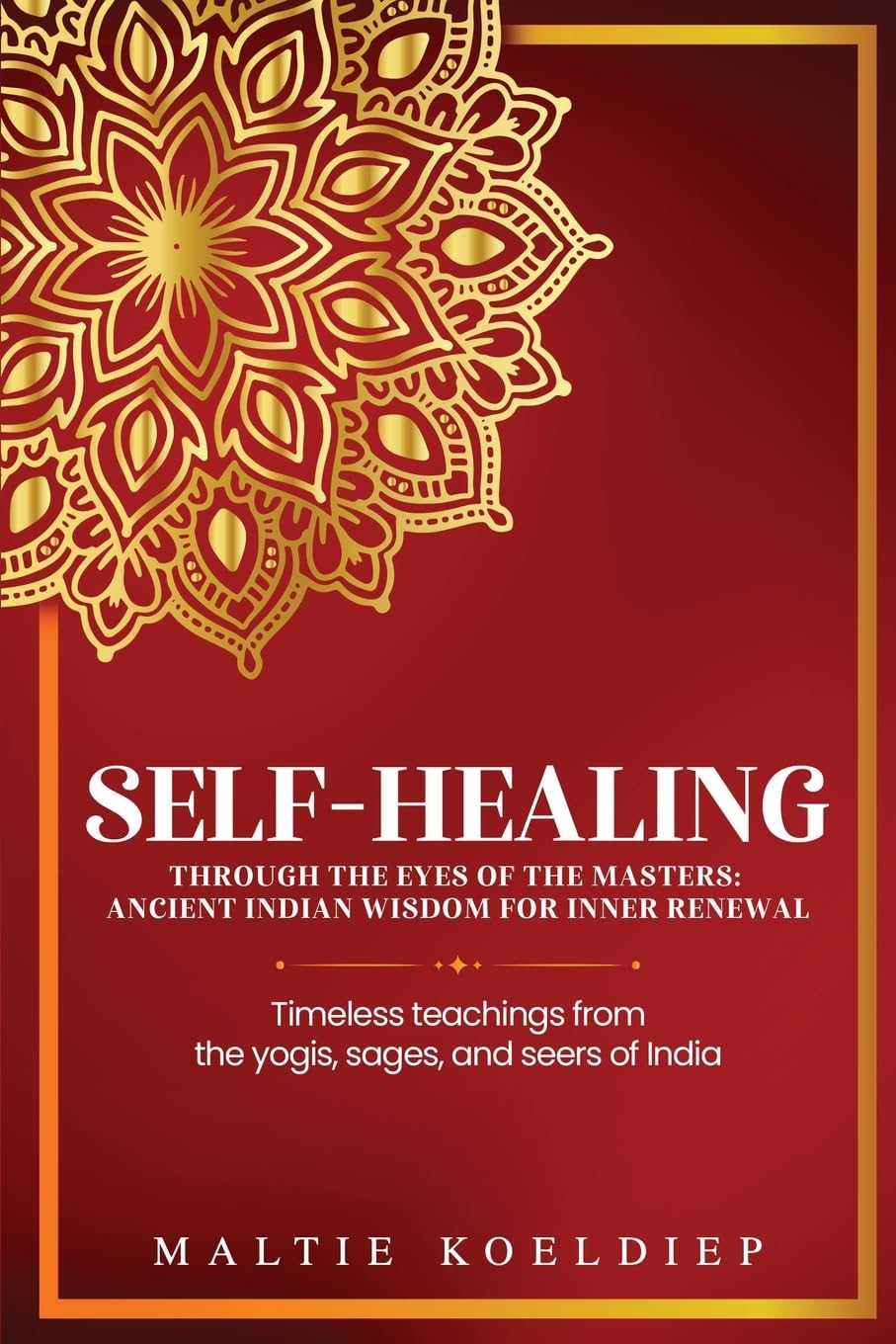
For a deeper understanding of how these principles connect with ancient wisdom, Self-Healing Through the Eyes of the Masters: Ancient Indian Wisdom for Inner Renewal by Maltie Koeldiep offers a clear and practical guide. The book explores how traditional teachings can be applied to modern life, helping readers restore harmony within themselves despite the demands of today’s world.
Modern life may be fast, but your system still follows natural laws. When you begin to honor them, balance returns.
Read this book, available on Amazon: https://www.amazon.com/dp/1971228133/.