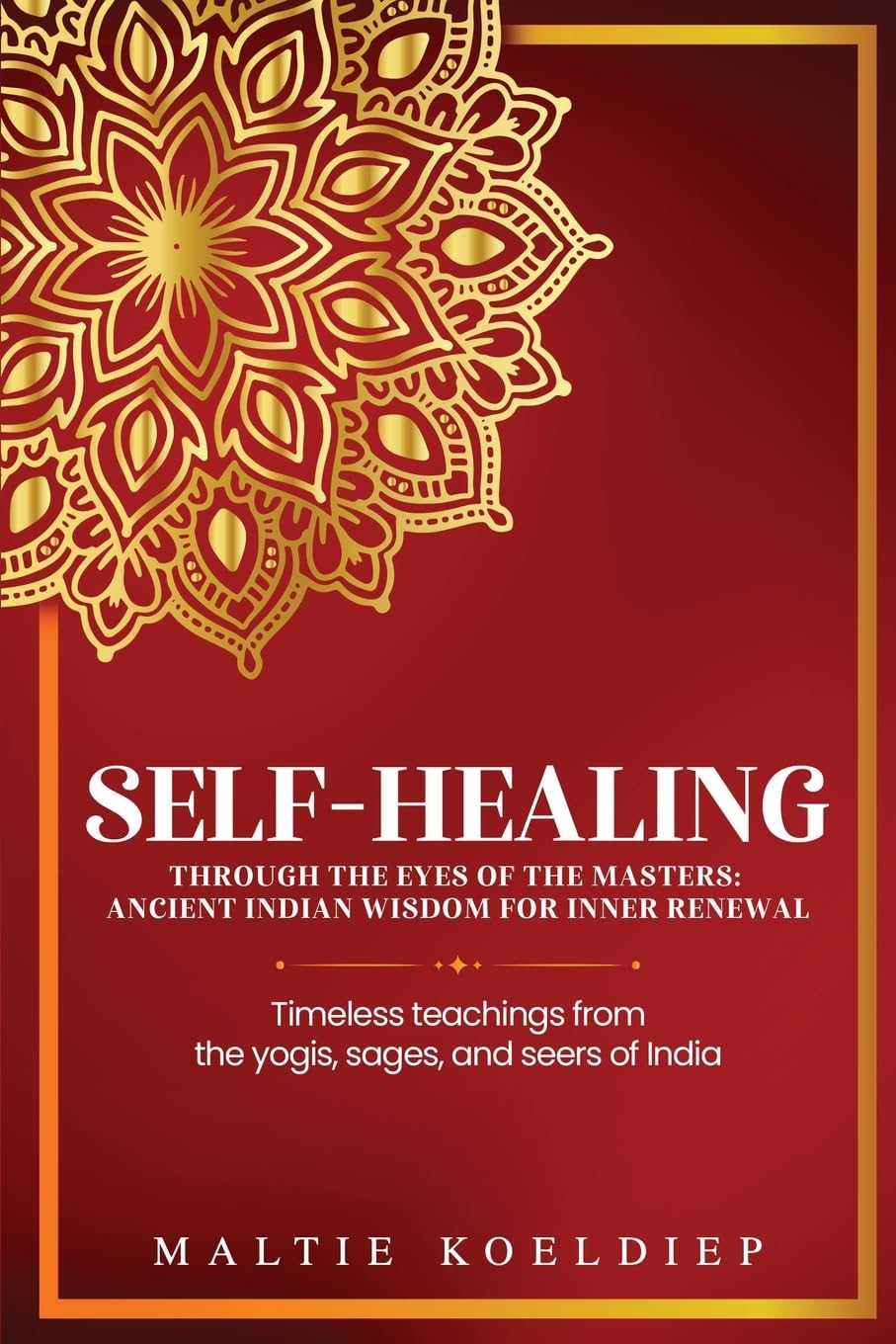
In a world that moves fast and demands constant attention, the idea of healing can feel distant or complicated. Yet, some of the most effective practices are simple, consistent, and rooted in awareness. Drawing from Self-Healing Through the Eyes of the Masters: Ancient Indian Wisdom for Inner Renewal by Maltie Koeldiep, daily habits become the bridge between ancient insight and modern life.
Self-healing does not begin with drastic change. It begins with how you start your day. Waking up with intention, even a few minutes earlier, creates space to settle your mind before the noise begins. Instead of reaching for distractions, take a moment to breathe deeply and notice your state. This quiet awareness sets the tone for everything that follows. Drastic changes can be brought by self-healing
Your relationship with your body is equally important. Gentle movement in the morning, whether stretching or walking, helps release stiffness and awaken energy. The goal is not intensity, but consistency. When the body feels supported, the mind follows with greater clarity. Food also plays a central role in maintaining balance. Eating with attention rather than habit changes how your body responds. Choosing fresh, nourishing meals and avoiding excess creates stability in both energy and mood. It is not about strict rules, but about listening to what your body needs.
Throughout the day, pauses matter. Modern routines often remove moments of stillness, replacing them with constant input. Taking short breaks to step away, breathe, and reset allows your mind to regain focus. These small pauses prevent mental fatigue from building unnoticed.
Your thoughts shape your inner environment. Becoming aware of patterns such as worry, comparison, or negativity is a powerful step. Instead of trying to suppress them, observe them without judgment. This simple act creates distance and reduces their intensity over time.
Connection with nature is another habit often overlooked. Spending time outside, even briefly, brings a sense of grounding. Natural surroundings help restore balance in ways that artificial environments cannot. It reminds you that you are part of something larger, not separate from it.
As the day ends, reflection becomes essential. Reviewing your actions, your reactions, and your state of mind helps you understand yourself better. This is not about criticism, but about awareness. Noticing what felt right and what felt off allows you to adjust gradually.
Sleep is the final pillar. A consistent sleep routine supports both physical recovery and mental clarity. Reducing stimulation before rest, allowing your mind to settle, and maintaining a steady schedule creates long term balance.
What makes these habits effective is their simplicity. They do not require special tools or complex systems. They require attention and consistency. Over time, these small actions build a strong foundation for healing.
Maltie Koeldiep’s work brings these practices together in a way that feels practical and grounded. It shows that self-healing is not a distant goal, but a daily process shaped by your choices.
For those seeking a steady path toward clarity, energy, and inner balance, this book offers guidance that fits naturally into everyday life.
Read this book, available on Amazon: https://www.amazon.com/dp/1971228133/.