At first glance, the answer seems obvious. You look in the mirror and see a body. You think, feel, and remember, so you assume you are the mind. This belief feels natural because it is reinforced every day through experience, language, and habit.
The body changes constantly. Cells renew, features shift, strength rises and falls. The body you had years ago is not the same one you have today. Yet despite these changes, there is a sense of continuity. You still feel like the same person.
The mind is just as unstable. Thoughts come and go. Emotions rise and fade. One moment you feel confident, the next uncertain. If you were truly your thoughts, your identity would be as unstable as the next passing idea. Yet something within you remains steady, watching these changes unfold.
This raises an important question. If both the body and mind are constantly changing, what is it that stays the same? There is a quiet presence beneath all experience. It does not change with the body or fluctuate with the mind. It observes. It is aware. It remains untouched by the constant movement of thoughts and sensations.
You may notice this presence in moments of stillness. When the mind becomes quiet, even briefly, there is a sense of calm awareness that does not depend on external conditions. It does not need to prove itself. It simply exists.
This awareness is often overlooked because attention is always directed outward. The world demands constant engagement, pulling focus toward activity, achievement, and reaction. In the process, the deeper sense of self is ignored.
Identifying only with the body creates fear. Physical changes, illness, and aging begin to define your sense of worth. Identifying only with the mind creates instability. Thoughts and emotions become your reality, leading to stress, anxiety, and confusion.
When you begin to recognize that you are not limited to either, something shifts. There is space between you and your experiences. Thoughts are seen as passing events rather than absolute truths. Emotions are felt without becoming overwhelming. The body is cared for without becoming your entire identity.
This does not mean rejecting the body or the mind. Both are essential. The body allows you to act in the world. The mind helps you think, create, and connect. But neither defines the entirety of who you are.
You are the one who notices the body. You are the one who observes the mind. That observing presence is stable, quiet, and unaffected by the constant changes happening around it.
Developing this awareness is not about adopting a belief. It is about direct observation. Spend a few moments each day watching your thoughts without reacting. Notice how they appear and disappear. Pay attention to sensations in the body without labeling them as good or bad. Gradually, the distinction becomes clear.
As this understanding deepens, there is less attachment to temporary states. Stress loses its grip. Fear softens. There is a growing sense of steadiness that does not depend on circumstances.
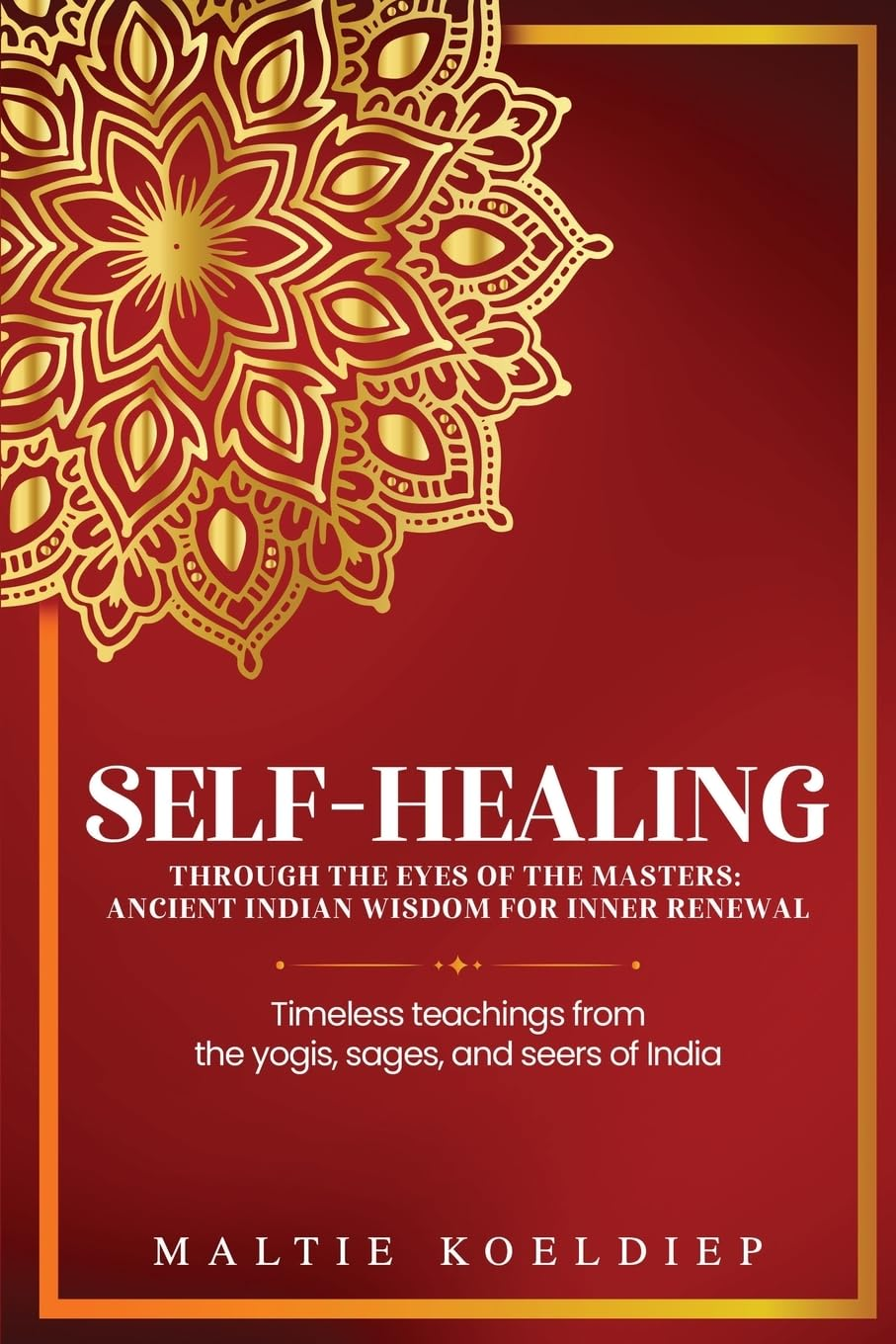
For those who want to explore this perspective further, Self-Healing Through the Eyes of the Masters: Ancient Indian Wisdom for Inner Renewal by Maltie Koeldiep presents these ideas in a clear and grounded way. The book draws from ancient teachings to guide readers toward a deeper understanding of the self and offers practical ways to reconnect with this inner awareness.
Read this book, available on Amazon: https://www.amazon.com/dp/1971228133/.