We live in a time of unprecedented convenience. Information is available at our fingertips, technology connects us instantly and modern medicine continues to achieve remarkable breakthroughs. Yet despite these advancements, many people still struggle with stress, anxiety, burnout, loneliness and a persistent feeling that something is missing.
Why is that?
Perhaps because while the world around us has evolved rapidly, the human need for inner peace, meaning and emotional balance has remained unchanged. This is where ancient wisdom becomes surprisingly relevant. The teachings of India’s great sages, yogis and spiritual masters continue to offer timeless insights into healing and personal transformation, insights that modern society needs now more than ever.
For thousands of years, Indian spiritual traditions have explored a fundamental question: What does it truly mean to be well?
Unlike many modern approaches that focus primarily on physical health, ancient Indian wisdom viewed the human being as a complete system of body, mind, energy, emotions and spirit. True healing, according to the masters, occurs when all these dimensions are brought into harmony.
This holistic perspective feels remarkably modern today. Increasingly, people are recognizing that stress affects physical health, emotions influence energy levels and mental well-being plays a crucial role in overall quality of life. Ancient Indian teachings understood this interconnectedness long before it became a topic of scientific research.
The yogis taught that a restless mind often lies at the root of suffering. Through practices such as meditation, breath control and mindful living, they developed methods for cultivating inner calm and resilience. The Buddha emphasized the power of awareness and taught that much of our suffering comes from attachment, fear and resistance to change. Ayurveda, often called the world’s oldest holistic healing system, focuses on restoring balance by aligning our lifestyles with the rhythms of nature.
These teachings were not intended for monks or scholars alone. They were practical tools designed to help ordinary people navigate life’s challenges with greater wisdom and clarity.
Today, many of us are overwhelmed by constant distractions, information overload and pressure to achieve more. In such an environment, the ancient masters offer a different perspective. They remind us that healing is not found in doing more, but often in becoming more aware. It begins with understanding ourselves, our habits, our thoughts and our relationship with the world around us.
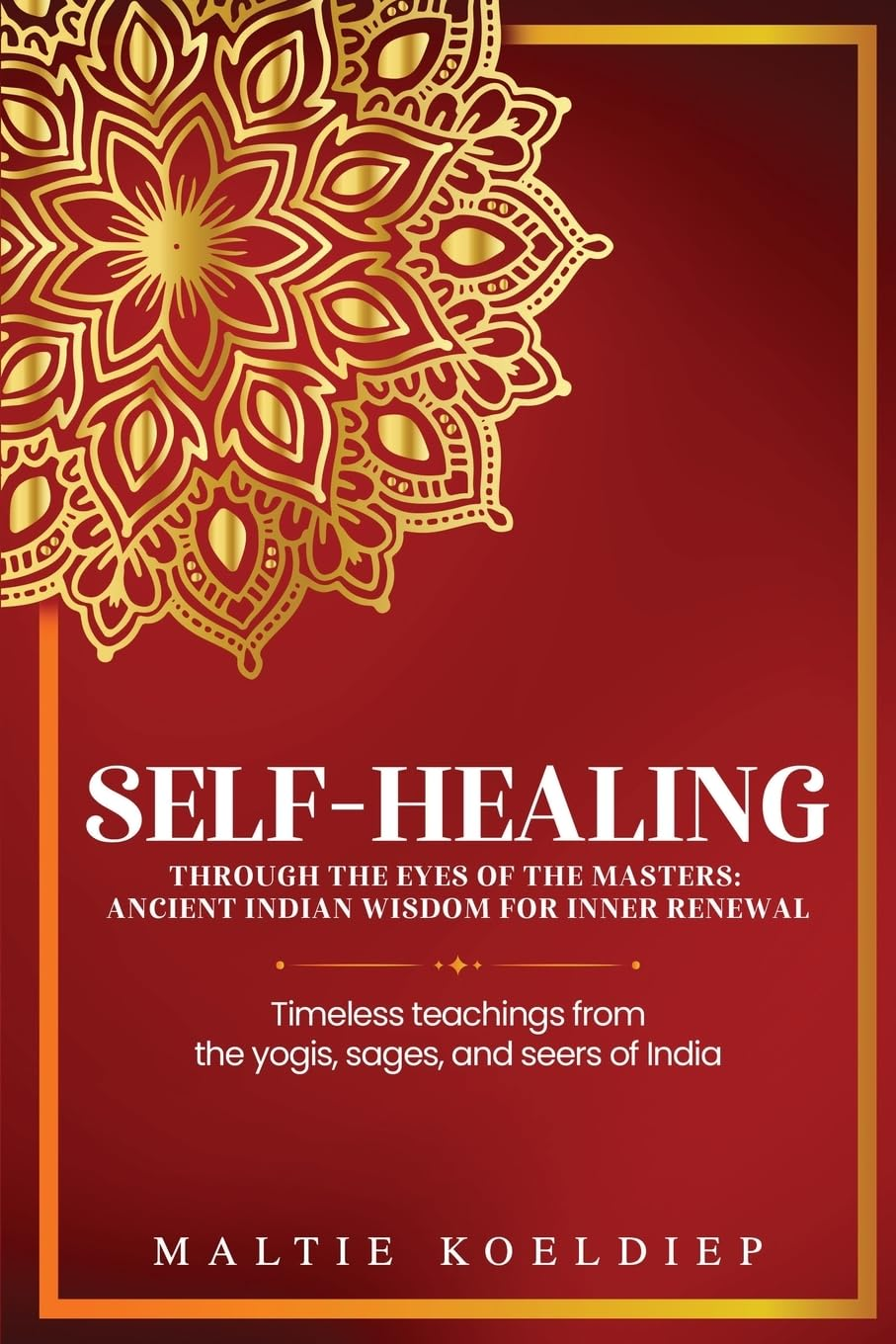
This timeless wisdom is explored in depth in Self-Healing Through the Eyes of the Masters: Ancient Indian Wisdom for Inner Renewal by Maltie Koeldiep. Drawing upon the teachings of Yoga, Ayurveda, Buddhism, Advaita Vedanta and Tantra, the book presents an accessible and inspiring guide to holistic healing and self-discovery.
Readers are introduced to transformative concepts such as the Five Koshas, the Three Gunas, mindfulness practices, chakra awareness, self-inquiry and the healing principles of the great Indian masters. Rather than presenting these teachings as distant philosophy, Koeldiep shows how they can be applied in everyday life to cultivate greater balance, peace and purpose.
The challenges we face today may look different from those faced thousands of years ago, but the human search for healing remains the same. Ancient wisdom endures because it speaks to universal truths about who we are and how we can live more fully.
In a world that often encourages us to look outward for answers, Self-Healing Through the Eyes of the Masters offers a powerful reminder: some of the greatest healing begins within. The wisdom of the masters is not confined to history; it remains a living guide for anyone seeking inner renewal, personal growth and lasting well-being.
Available on Amazon: https://www.amazon.com/dp/1971228133/.