There are moments when something feels off, even if you cannot explain why. You may feel tired without reason, restless without clarity, or disconnected from things that once mattered. These are not random experiences. They are signals that your inner balance needs attention.
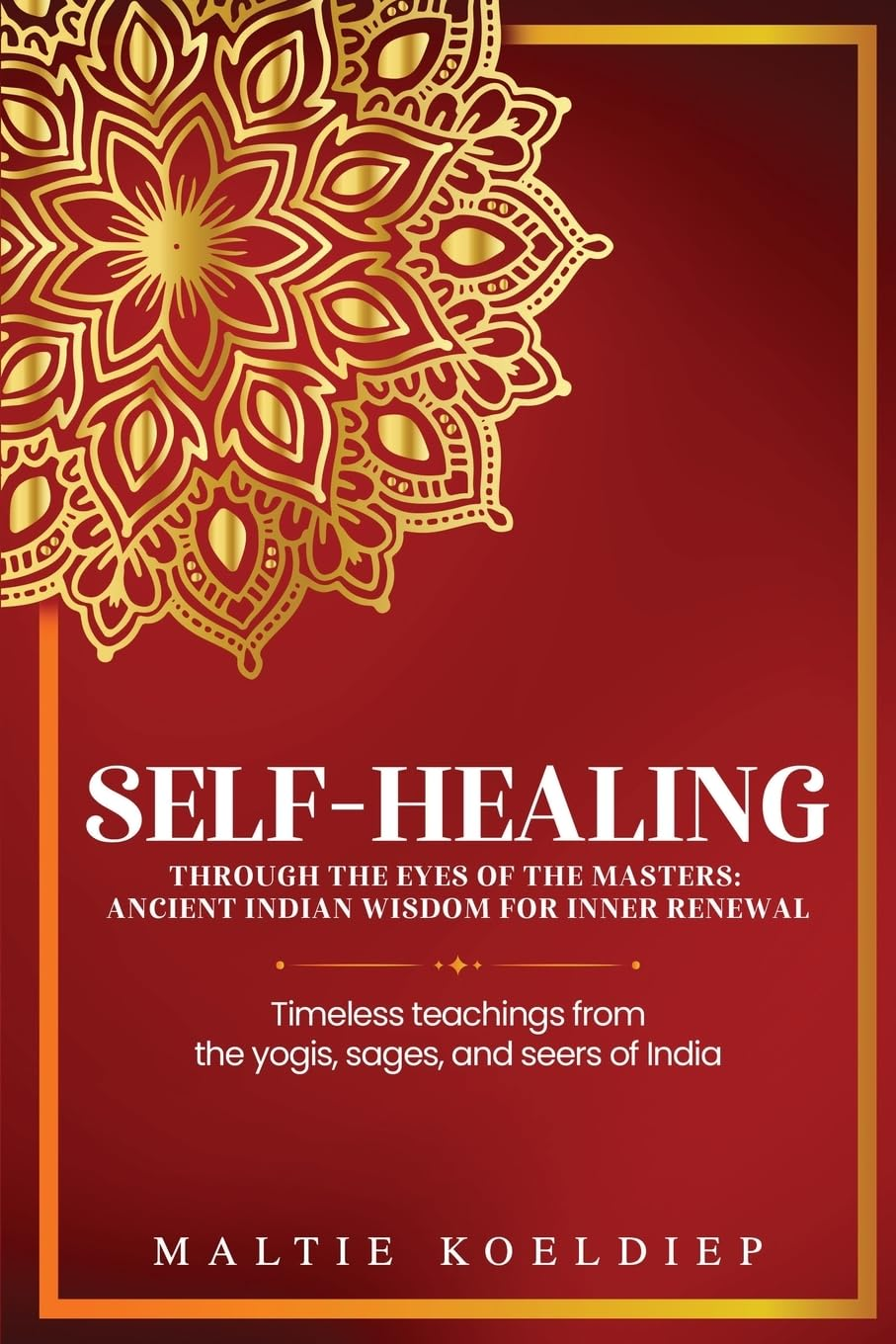
In Self-Healing Through the Eyes of the Masters: Ancient Indian Wisdom for Inner Renewal by Maltie Koeldiep, imbalance is not seen as a flaw. It is viewed as feedback. Your body, mind, and inner awareness are constantly communicating with you. The question is whether you are listening.
One of the clearest signs of imbalance is persistent fatigue. This is not just physical tiredness. It is a deeper sense of low energy that does not improve with rest alone. It often points to overstimulation, poor habits, or emotional strain that has gone unchecked.
Another common sign is mental overload. When your thoughts feel scattered, when focus becomes difficult, or when your mind keeps jumping from one worry to another, it indicates that your inner state is unsettled. This kind of mental noise often builds from constant distraction and lack of stillness.
Emotional instability is another signal. Feeling easily irritated, overwhelmed, or withdrawn can mean that your internal balance has shifted. These emotions are not the problem themselves. They are indicators that something deeper needs care.
You may also notice a loss of clarity in your decisions. When you feel unsure about choices that once seemed simple, it often reflects a disconnect from your inner guidance. This can happen when external pressure becomes louder than your own sense of direction.
Physical habits provide further clues. Irregular sleep, poor eating patterns, or a lack of movement can quietly disrupt your overall state. Over time, these patterns affect not just the body, but the mind and emotional well being as well.
The approach presented in this book focuses on restoring balance through awareness and simple adjustments. The first step is to pause and observe. Instead of reacting immediately, take a moment to notice what you are feeling and where it might be coming from.
Next comes small, consistent changes. If your energy feels low, introduce gentle movement into your day. If your mind feels crowded, create space by reducing unnecessary input. Even a short period of quiet can begin to reset your focus.
Breathing with intention can also create a shift. Slowing your breath helps calm the nervous system and brings a sense of steadiness. It is a simple practice, yet it has a direct impact on how you feel.
Reconnecting with natural rhythms is another powerful step. Regular sleep, balanced meals, and time spent away from constant stimulation help restore alignment. These are not complicated solutions, but they require consistency.
Most importantly, the book encourages you to trust your own awareness. You already sense when something is not right. Strengthening that awareness allows you to respond earlier, before imbalance grows stronger.
Balance is not a fixed state. It is something you maintain through daily choices. When you begin to notice the signals and respond with care, your energy shifts, your mind clears, and your sense of stability returns.
If you are feeling out of sync and searching for a grounded way to restore clarity and calm, this book offers a thoughtful and practical path forward.
Read this book, available on Amazon: https://www.amazon.com/dp/1971228133/.