Have you ever wondered why your mood can change so quickly, even when nothing obvious has happened? One day you feel calm and clear, the next restless and distracted, and sometimes heavy or unmotivated. Ancient Indian wisdom offers a simple explanation for these shifts through the concept of the three gunas. Understanding them can bring clarity to emotional patterns and support better mental balance.
What Are the Three Gunas
The gunas are three natural qualities that influence the mind and body. They are always present in different combinations, shaping thoughts, emotions, energy levels, and behavior. These qualities are not good or bad. They simply describe how energy moves within us.
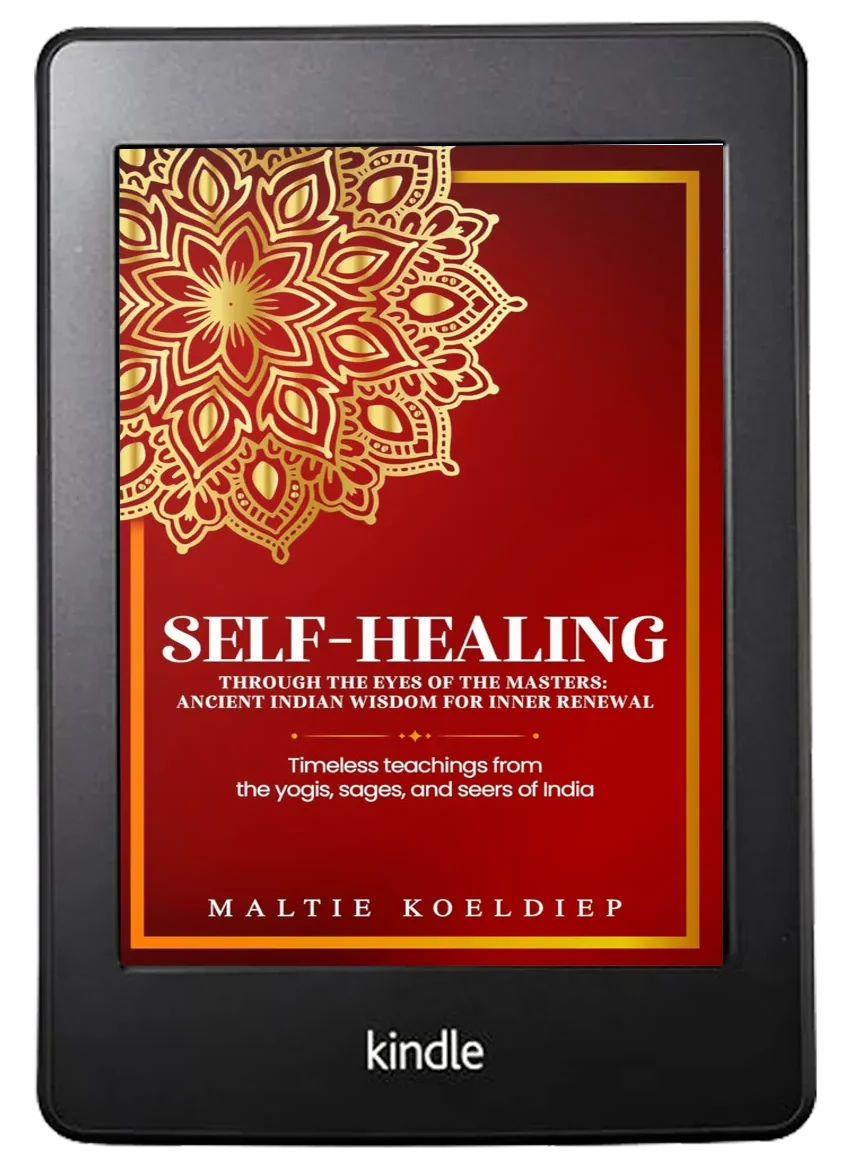
Self Healing Through the Eyes of the Masters by Maltie Koeldiep presents the gunas in a clear and practical way, helping readers recognize these patterns without judgment.
- Sattva and Inner Clarity
Sattva is characterized by balance, clarity, and calmness. When sattva is strong, the mind feels peaceful and focused. Emotions are steady, and decisions feel easier to make. People often experience this state after good rest, time in nature, or moments of quiet reflection.
For example, after a calm morning routine that includes silence or mindful breathing, you may notice greater patience and understanding throughout the day. It is sattva supporting emotional balance and mental health.
- Rajas and Restless Energy
Rajas is the quality of movement, activity, and desire. It fuels ambition and productivity, but too much of it can lead to stress, anxiety, and emotional agitation. When rajas dominates, the mind jumps from thought to thought, often chasing results or approval.
A common example is feeling tense and irritable after a day filled with constant notifications, deadlines, and multitasking. Energy is high, but peace feels distant. Recognizing rajas at work allows space to slow down rather than pushing harder.
- Tamas and Emotional Heaviness
Tamas represents inertia, heaviness, and confusion. It is necessary for rest, but excessive tamas can lead to low motivation, sadness, or mental fatigue. When tamas is strong, emotions may feel dull or overwhelming.
For instance, after excessive screen time or irregular sleep patterns, you may feel withdrawn or disconnected. Awareness of tamas helps explain why motivation drops and emotions feel harder to manage during these times.
Awareness Instead of Suppression
Explain how sattva, rajas, and tamas influence mood, energy, and mental health. Show how awareness of the gunas empowers readers to gently shift their inner state rather than suppress emotions. When you notice restlessness, you do not need to judge it. When heaviness appears, you do not need to force happiness.
Simple actions can support balance. Gentle movement can ease tamas. Slowing the breath can calm rajas. Quiet reflection can strengthen sattva. These shifts are subtle and respectful of the body and mind.
Emotional Balance as a Daily Practice
Emotional balance does not mean feeling the same every day. It means understanding what is present and responding with care and consideration. The gunas offer a helpful language for this process, making emotional awareness more practical and less personal.
For readers interested in exploring this wisdom further, this book offers thoughtful guidance rooted in ancient teachings and everyday life. It is a valuable resource for anyone seeking clarity, balance, and emotional understanding through awareness rather than force.
Explore Self Healing Through the Eyes of the Masters by Maltie Koeldiep, available on Amazon: https://www.amazon.com/dp/1971228133/.